

As the nation grapples with economic challenges, many Americans are feeling the pinch of rising inflation and escalating energy costs. Recent data indicates a surge in consumer prices, with inflation reaching 3.8% in April, the highest in three years. This uptick is largely attributed to the ongoing military conflict with Iran, which has disrupted global oil supplies and led to the closure of the Strait of Hormuz, a critical passage for oil shipments.
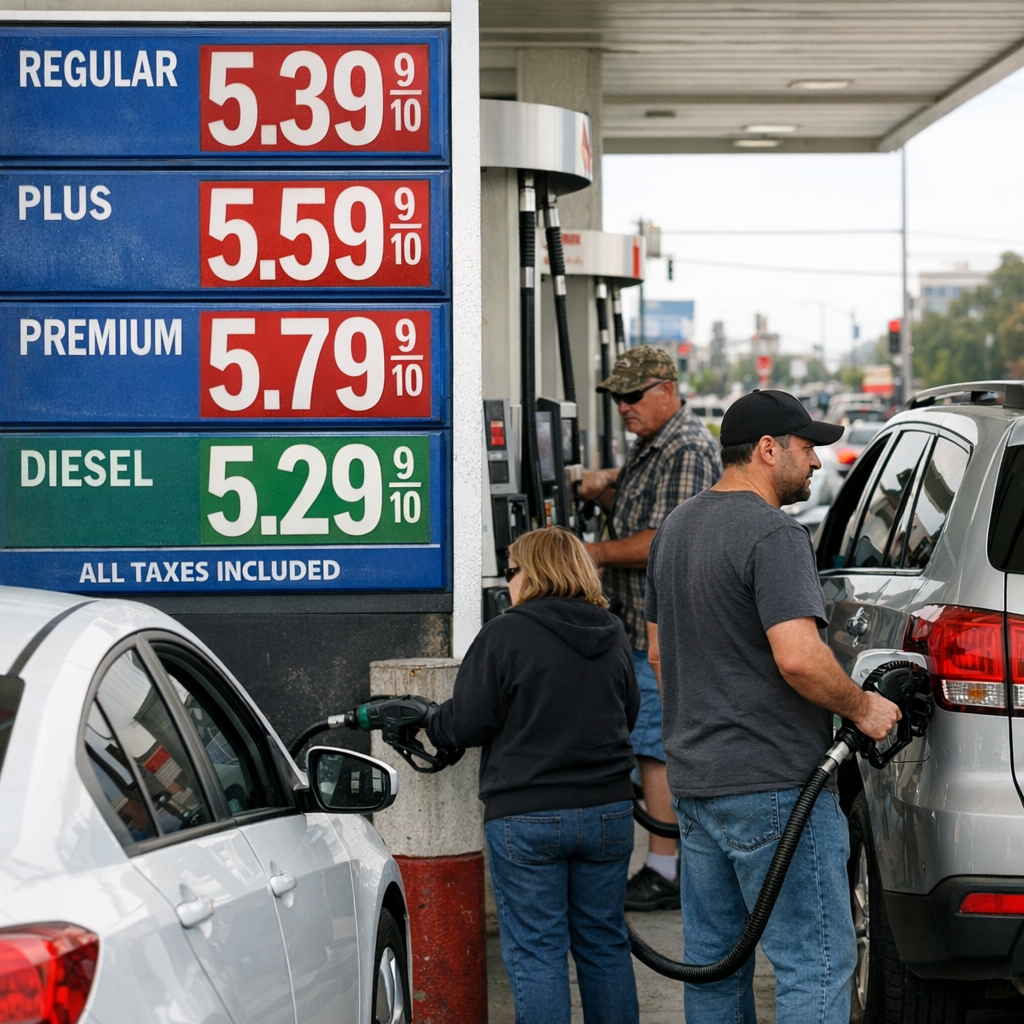
The immediate consequence has been a sharp increase in gasoline prices, with the national average exceeding $4.50 per gallon. In some states, prices have soared above $5, placing additional strain on household budgets. This escalation in energy costs has a cascading effect, influencing the prices of goods and services across the board.
Compounding the issue, wage growth has not kept pace with inflation. For the first time in three years, real wages have declined, diminishing the purchasing power of many workers. This economic squeeze has led to a rise in consumer borrowing, as individuals turn to credit to bridge the gap between income and expenses. Consumer sentiment has also taken a hit, with confidence levels plummeting to record lows.
In response to these challenges, the administration has proposed measures such as a gasoline tax holiday to provide temporary relief at the pump. However, this proposal has encountered resistance from some lawmakers concerned about the impact on federal funding for infrastructure projects.
As the economic landscape continues to evolve, it’s crucial for individuals to stay informed and consider strategies to mitigate the impact of rising costs. Budgeting, exploring energy-efficient alternatives, and seeking financial advice can be valuable steps in navigating these uncertain times.