

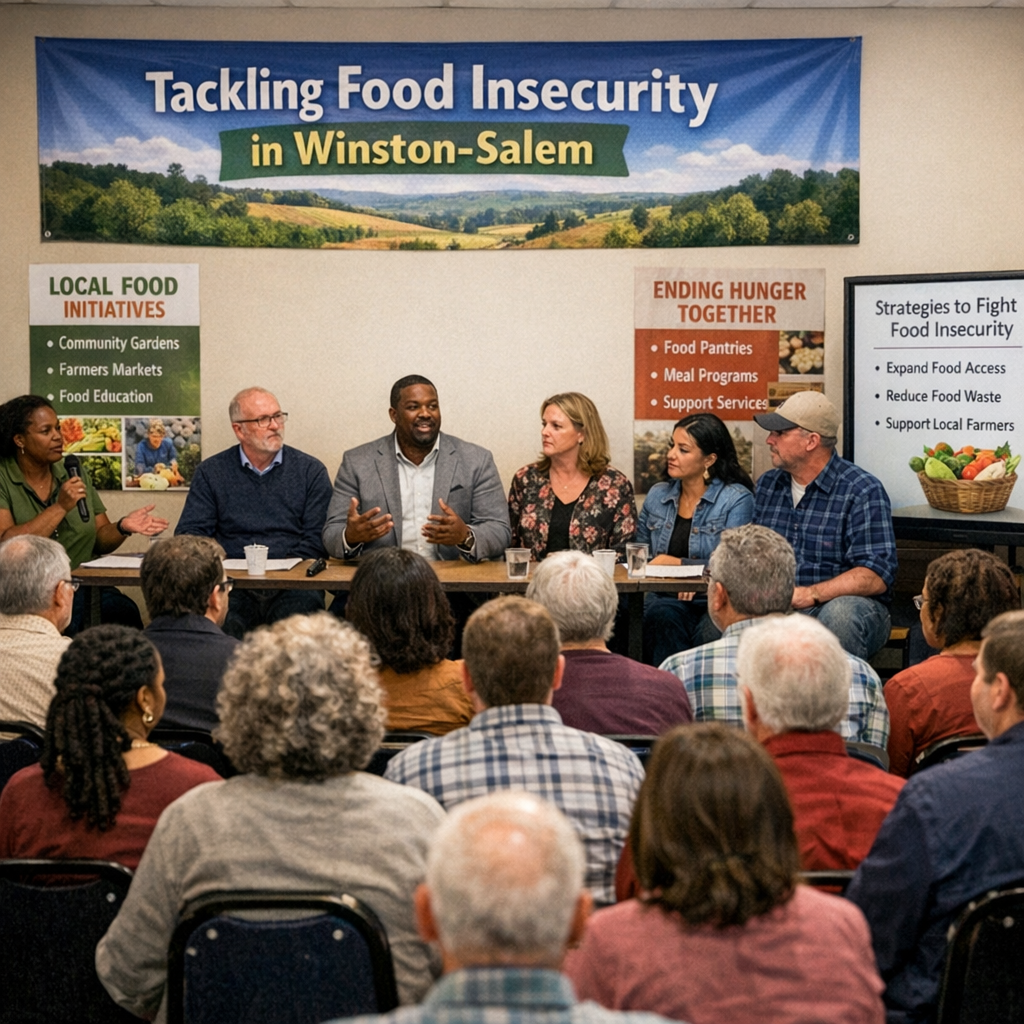
Food insecurity remains a pressing issue in Winston-Salem, with numerous neighborhoods classified as food deserts—areas where residents have limited access to affordable and nutritious food. This challenge affects various communities across the city, prompting local authorities and organizations to seek effective solutions.
Understanding the Scope of the Problem
Food deserts exist in all but one of Winston-Salem’s wards, significantly impacting low-income areas where grocery stores are more than a mile away. The Hispanic community is particularly affected, with the Second Harvest Food Bank serving more Latinos than any other demographic in recent years.
Community Initiatives and Responses
In response to these challenges, the Winston-Salem City Council has been actively brainstorming ways to reduce food insecurity in underserved areas. Discussions have focused on strategies to attract grocery stores to these neighborhoods and support local food initiatives.
Additionally, organizations like Communities Helping All Neighbors Gain Empowerment (CHANGE) have been instrumental in advocating for improved access to healthy food. CHANGE, a non-profit organization founded in 2002, encourages civic participation among local residents and addresses issues such as housing and neighborhoods, which are closely linked to food access.
Challenges in Implementation
Despite these efforts, significant challenges remain. Historical factors, such as redlining and systemic environmental racism, have contributed to the current landscape of food deserts. For instance, the placement of industrial facilities in predominantly Black and brown communities has had long-term impacts on neighborhood development and access to resources.
Moreover, the economic implications of housing loss and neighborhood neglect further exacerbate food insecurity. Vacant properties and foreclosures lead to reduced property values and increased crime rates, creating environments where businesses, including grocery stores, are less likely to invest.
Looking Ahead
Addressing food insecurity in Winston-Salem requires a multifaceted approach that includes attracting grocery stores to underserved areas, supporting local food initiatives, and addressing the underlying economic and social factors contributing to food deserts. Continued collaboration between city officials, community organizations, and residents is essential to develop sustainable solutions that ensure all Winston-Salem residents have access to healthy and affordable food.