

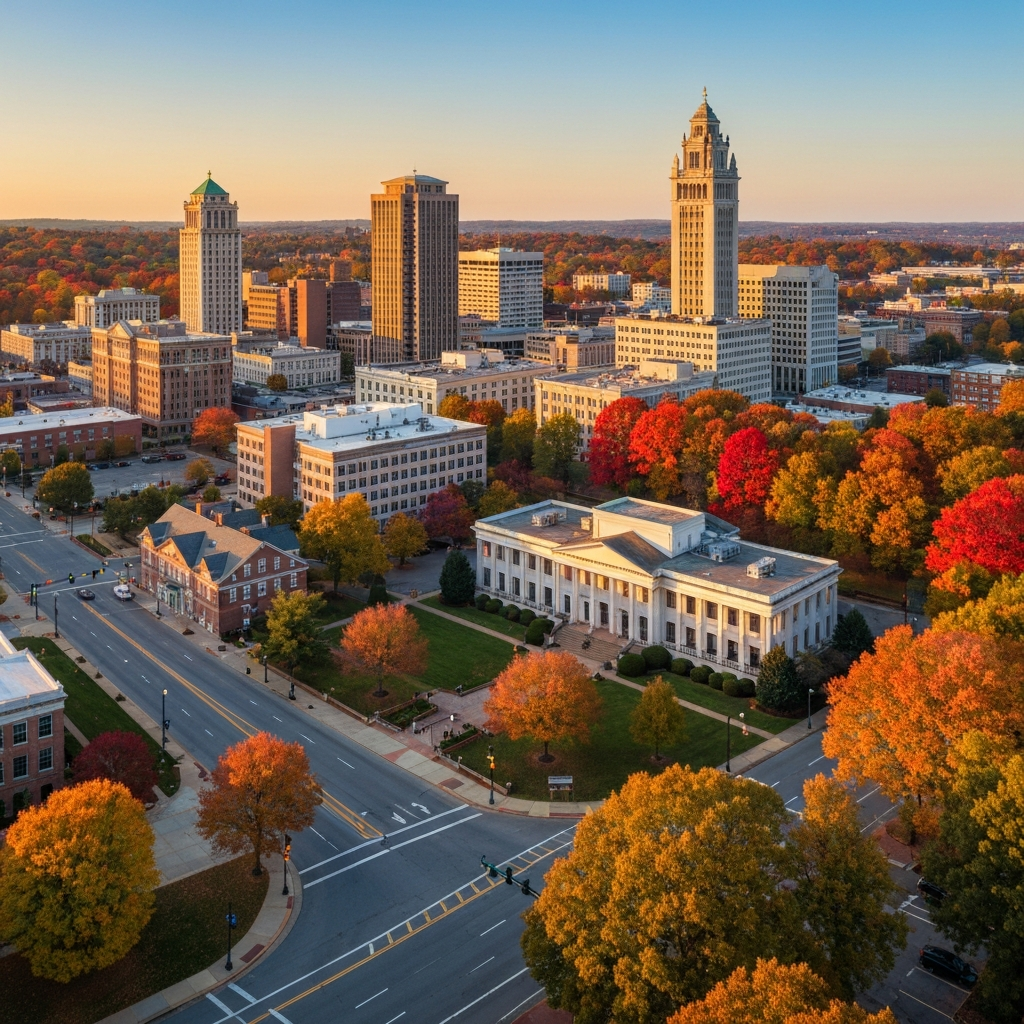
Winston-Salem, nestled in the heart of North Carolina, experiences a humid subtropical climate characterized by distinct seasonal variations. Understanding these patterns is essential for residents and visitors alike.
Seasonal Weather Patterns
Winter (December to February): Winters are generally cool, with average low temperatures around 31°F and highs near 49°F. Snowfall is infrequent but possible, adding a picturesque touch to the cityscape.
Spring (March to May): Spring brings milder temperatures, with averages ranging from lows of 38°F to highs of 77°F. This season is marked by blooming flora and increased rainfall, averaging about 4 inches per month.
Summer (June to August): Summers are warm and humid, with average highs reaching 87°F and lows around 68°F. Thunderstorms are common, contributing to the season’s higher precipitation levels.
Autumn (September to November): Fall offers a respite from the summer heat, with temperatures gradually decreasing from highs of 80°F in September to 60°F in November. The changing foliage provides a vibrant backdrop to the city.
Environmental Initiatives
Winston-Salem is committed to sustainability and environmental stewardship. The city’s Sustainability Department focuses on enhancing energy efficiency, developing food resiliency strategies, and expanding green spaces. These efforts aim to create a healthier environment and foster community engagement. Learn more about the city’s sustainability initiatives.
Additionally, the city achieved Silver level Certification in the LEED for Cities and Communities Program from the US Green Building Council in April 2022. This recognition underscores Winston-Salem’s dedication to balancing social, economic, and environmental considerations in its development. Read more about the city’s energy and greenhouse gas initiatives.
Understanding Winston-Salem’s climate and the city’s proactive environmental initiatives can help residents and visitors make informed decisions and contribute to a sustainable future.